
Elevating the Patient Experience Through Value-Based Care
Author : Strive Health
The future of healthcare growth will not be built on transactions alone. It will be built on trust, outcomes and experiences that make patients feel supported at every step.
Few leaders understand that better than Strive Health’s Chief Growth Officer, Michele Paige. Across a career spanning health plans, pharmacy, care delivery and startup growth, Michele has helped build businesses around one core belief: when patients win, organizations win too. Her work has consistently focused on using data, technology and thoughtful design to remove friction, earn trust and create better experiences at scale.
That is the focus of Strive Innovation Lab, a new blog series exploring how leaders and clinicians are reshaping value-based kidney care to better serve patients. In this first installment, we spoke with Michele about what “redefining care” really means in practice, why putting patient experience at the center has become a strategic priority for payors and employers, and how technology can help remove barriers to better health.

Q: Michele, you’ve spent your career focused on growth and partnerships in healthcare. What continues to motivate you?
A: What motivates me most is the opportunity to improve the experience for people during vulnerable moments in their lives. Healthcare can be overwhelming, especially for people managing chronic conditions. In fact, 65% of adults avoid or delay health actions because they find the healthcare system too overwhelming and confusing and 63% find navigating the healthcare system stressful. If we can make that experience more connected, more supportive and easier to navigate, that creates real value for patients and for the organizations serving them.
Growth in healthcare should never be growth for growth’s sake. It should mean more people gaining access to better care.
And increasingly, the market is asking for care to create sustainable value over time, not just one-time savings. According to a 2026 survey, 52% of health plan executives name “managing rising costs” as their top operational challenge. The strongest solutions are the ones that help patients earlier, prevent avoidable high-cost events before they happen and build a durable path to better outcomes.
Q: Strive talks about redefining care and elevating life. What does that actually mean for patients?
A: For many patients with kidney disease, care feels fragmented. They may be seeing multiple specialists, managing nine to 12 medications, adjusting their diet, dealing with symptoms and trying to understand what comes next. At the same time, they are processing the emotional weight of a progressive disease.
Redefining care means changing that experience.
It means making sure patients do not have to navigate the system alone. It means having someone by their side who can guide them, be their advocate and help coordinate what can otherwise feel like a very complex and often lonely journey.
It also means connecting care in a way that feels simpler for the patient. That’s why integrated models matter so much. Health plans and employers increasingly expect care partners to work seamlessly with provider workflows and EHRs, reduce the number of disconnected touchpoints and create more repeatable care pathways that are easier for patients to follow. That focus on a more connected, supportive experience is reflected in Strive’s results. In Strive’s most recent patient satisfaction survey, 94% of patients reported satisfaction with Strive’s Kidney Heroes®.
Elevating life means helping people focus less on managing the system and more on empowering them to live their lives.
Q: Where do you see the biggest gaps in how patients experience kidney care today?
A: One of the biggest challenges is that kidney disease rarely exists on its own. Many patients are also managing diabetes, heart failure, hypertension or other cardio-metabolic conditions. That often means multiple physicians, multiple treatment plans and multiple priorities that may not always feel aligned.
Patients are left asking practical questions like, “Which doctor should I listen to first? Which medication matters most right now? How do I afford all of this? How do I get to these appointments?” Those are not small questions. They shape whether someone stays engaged in care — and decisions around whether to eat, pay rent, fill medications or get care can feel overwhelming and confusing.
That is where coordinated support matters. Patients need a connected care team that helps simplify decisions and keeps their providers and caregivers aligned around what is best for them as an individual.
The clinical need is also broadening. More organizations are looking beyond kidney disease alone and focusing on cardio-pulmonary-metabolic health, including areas like COPD, inhaler utilization and vaccination outcomes. That reflects a bigger truth: patients do not experience their conditions in silos, and care models should not treat them that way either.
Q: One of the biggest opportunities in kidney care is engaging patients earlier. Why is that so difficult?
A: Early kidney disease is often silent. Because the early stages of the condition often show no symptoms, approximately 90% of adults who have kidney disease are unaware they have it. Others are focused on the conditions they already know they have, like diabetes or heart disease, so kidney health may not feel urgent yet.
That is why proactive outreach matters so much.
We need to identify rising-risk patients sooner, engage them in ways that feel relevant to their lives and connect them to the right care before the disease becomes more advanced. We also know that provider alignment plays an important role in bringing patients into care earlier. When Strive engages with nephrologists, we see patient engagement increase by up to 34%. When patients engage in early support, we can often slow progression, improve their quality of life and avoid more serious complications later.
That earlier window is also where payors and employers increasingly see value. There is strong interest in upstream solutions that can change the trajectory before a hospitalization, complication or avoidable high-cost event occurs.
Q: Patients don’t experience healthcare in a vacuum. How do you think about engagement in the context of real life?
A: Clinical needs are only part of the picture. Some patients need help understanding their benefits or lowering their medication costs. Some need transportation. Some need caregiver support. Some need someone to simply check in with them because they feel isolated.
Others are highly independent and prefer digital tools, virtual visits or mobile resources that let them manage care on their own schedule.
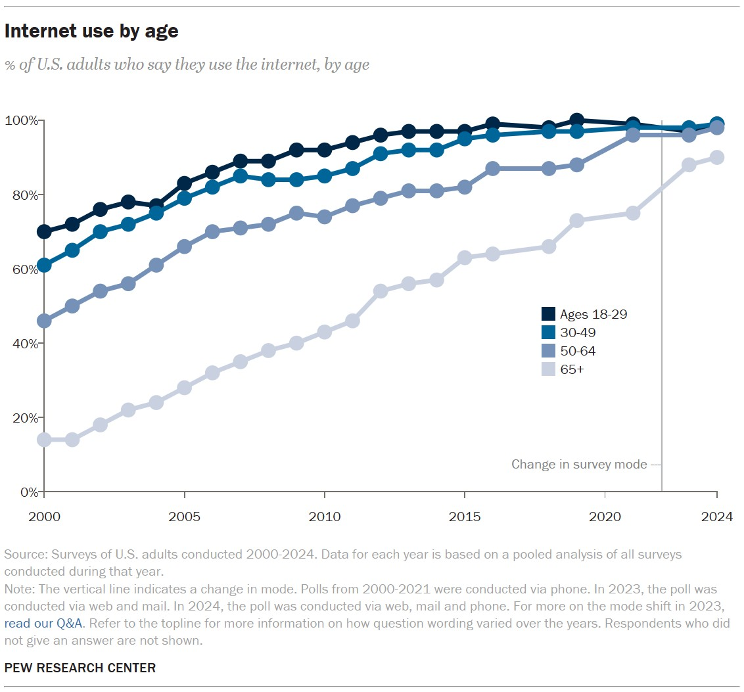
For the right populations, digital-first support can be especially effective when it creates meaningful engagement and clear ROI. And the percentage of U.S. adults over 65 who are online and digitally savvy has seen a steady, exponential increase. Currently, around 90% of adults 65 and older use the internet and over 91% own a smartphone.
There is no single engagement model that works for everyone.
The best patient experience is personalized, preference-based and grounded in advocacy. It flexes to meet people where they are instead of expecting everyone to navigate care the same way.
Q: There’s a lot of conversation around AI in healthcare. Where do you see it meaningfully improving the patient experience?
A: AI should be focused on removing friction. That could mean faster outreach to identify patient needs, shorter turnaround times for services, smarter workflows that help close care gaps or better coordination between patients and providers.
For example, AI can help identify symptoms early, inform timely follow-up or route requests more efficiently, so patients are not waiting unnecessarily for treatment. Delays which can lead to costly and avoidable acute events. Each hospital admission could cost up to $15,000. With timely support and access to the right care, patients are treated promptly, often from the comfort of their own home. But technology should support human relationships, not replace them. The real opportunity is using AI to remove barriers so clinicians can spend more time doing what only humans can do: Listen, guide and build trust.
It also has to fit into the way care is actually delivered. Technology is most powerful when it supports connected, interoperable care rather than creating yet another disconnected layer for providers or patients to manage.
Q: For payors and employers evaluating value-based kidney care, what should they prioritize when it comes to patient experience?
A: Integration. If care remains fragmented, costs rise and outcomes suffer. Patients need a connected model that brings together primary care, specialists, benefits support and clinical advocacy around one shared plan. That means interoperability, aligned incentives and clear accountability for the patient experience.
They should also look for models that deliver sustainable economics, not just short-term savings. Buyers are asking harder questions about run-rate value, affordability and whether a solution can consistently prevent avoidable utilization over time. Employers in particular are feeling economic pressure and are highly focused on affordability, including medication cost containment. At the same time, interest in kidney solutions is growing rapidly across commercial segments, which makes the patient experience even more important as a point of differentiation.
When patients feel supported, stay adherent to treatment and receive the right care at the right time, everyone benefits. Costs come down, outcomes improve and satisfaction rises. That is the promise of value-based kidney care when it is executed well.
Q: Looking ahead, what does a better patient experience look like?
A: It looks simpler. Patients should not have to coordinate disconnected systems on their own. They should know who to call, what comes next and how to access the benefits available to them.
It also looks more personal. Care should reflect the individual, not just the diagnosis.
And it looks more collaborative. No single stakeholder can solve this alone. Health plans, providers and care partners all have a role to play. The organizations that win in the future will be the ones that make healthcare feel less complicated and more human.
Increasingly, that future will also be more integrated, more upstream and more whole-person in its design. The market is moving toward models that connect kidney care with related cardiometabolic needs, simplify the provider experience and make care more affordable and easier to access for the people who need it most.
Interested in elevating your patients’ experience?
If you are a payor or employer looking to improve outcomes, reduce costs and create a better experience for people living with kidney disease, connect with the Strive Health team to learn more.